
Comics have evolved far beyond simple superhero stories. Today, fantasy & mythological comics combine ancient legends, magical worlds, and imaginative storytelling to create deeply immersive narratives loved by readers worldwide.
From gods and warriors to mystical realms and epic battles, these comics blend mythology with creative fantasy, allowing readers to experience timeless legends in modern visual form.
In this guide, we explore what fantasy and mythological comics are, their origins, major themes, and why they continue to grow in popularity.
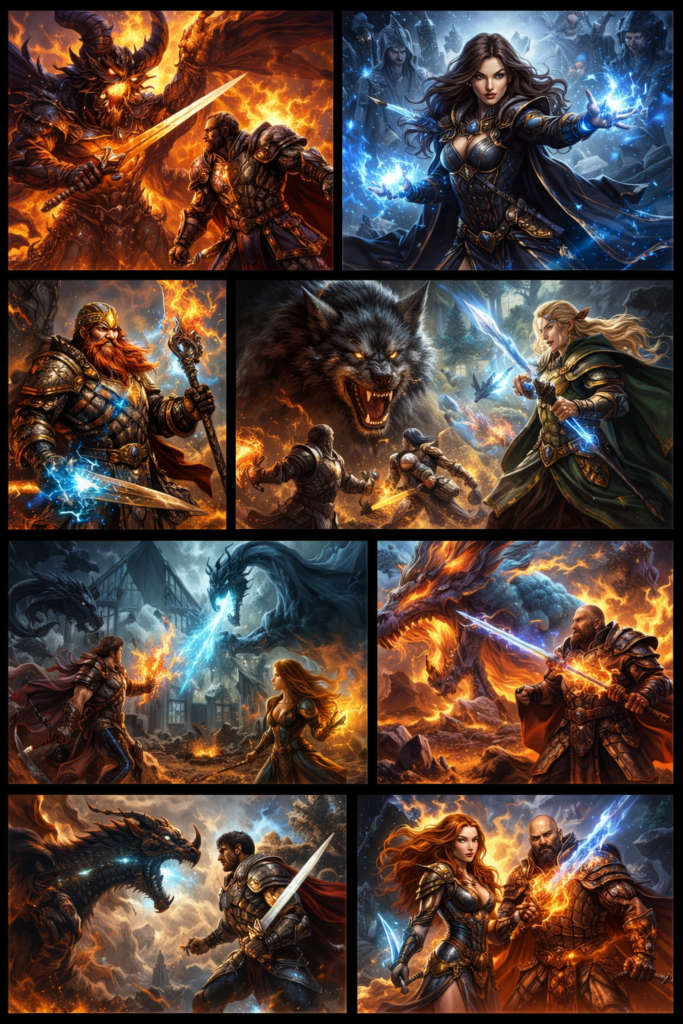
What Are Fantasy Comics?
Fantasy comics are stories set in imaginative worlds filled with magic, supernatural beings, and extraordinary adventures.
Key Elements of Fantasy Comics
- Magical powers and spells
- Fictional kingdoms and realms
- Mythical creatures like dragons and demons
- Heroic quests and epic journeys
- Good versus evil conflicts
Fantasy comics focus heavily on world-building, allowing readers to escape reality and explore limitless possibilities.
What Are Mythological Comics?
Mythological comics adapt stories inspired by ancient myths, religious epics, and cultural folklore from different civilizations.
These comics reinterpret traditional legends using modern storytelling and visual art.
Common Sources of Mythological Comics
- Hindu mythology
- Greek mythology
- Norse mythology
- Egyptian legends
- Japanese folklore
By transforming ancient tales into illustrated narratives, mythological comics make traditional stories accessible to younger generations.
Difference Between Fantasy & Mythological Comics
| Feature | Fantasy Comics | Mythological Comics |
| Origin | Pure imagination | Based on traditional myths |
| Setting | Fictional worlds | Cultural or historical legends |
| Characters | Invented heroes | Gods, warriors, mythic figures |
| Story Style | Creative freedom | Inspired by established lore |
Many modern comics blend both genres, creating hybrid storytelling experiences.
Evolution of Fantasy & Mythological Comics
Early Comic Era
Early comics introduced myth-inspired heroes and magical adventures influenced by folklore and legends.
Modern Graphic Novel Movement
Artists began creating deeper narratives with complex characters, moral dilemmas, and cinematic artwork.
Digital Age Expansion
Online platforms and webcomics have made fantasy storytelling more accessible, enabling independent creators to explore mythology creatively.
Famous Fantasy & Mythological Comic Examples
Western Comic Inspirations
- Thor — Inspired by Norse mythology and adapted into modern superhero storytelling.
- Wonder Woman — Strongly influenced by Greek mythology.
Indian Mythological Comics
India has a rich tradition of mythological storytelling through comics, introducing epics and legends to younger audiences.
- Amar Chitra Katha popularized stories from the Ramayana, Mahabharata, and historical legends.
Manga and Eastern Fantasy Comics
Japanese manga blends mythology and fantasy through spiritual themes, mythical creatures, and symbolic storytelling.
Popular Themes in Fantasy & Mythological Comics
Hero’s Journey
Characters undergo transformation through challenges, reflecting universal storytelling patterns.
Gods and Mortals
Interactions between divine beings and humans explore power, destiny, and morality.
Good vs Evil
Epic battles symbolize internal and external struggles.
Destiny and Prophecy
Many stories revolve around chosen heroes fulfilling ancient prophecies.
Why Fantasy & Mythological Comics Are So Popular
Cultural Connection
Readers connect with stories rooted in tradition and heritage.
Visual Storytelling
Illustrations bring ancient myths and magical worlds to life more vividly than text alone.
Escapism and Imagination
Fantasy worlds provide relief from everyday reality while inspiring creativity.
Cross-Generational Appeal
Both children and adults enjoy myth-based storytelling due to its universal themes.
Impact on Modern Entertainment and Pop Culture
Fantasy and mythological comics influence:
- Movies and cinematic universes
- Video games and RPG storytelling
- Animation and streaming series
- Merchandise and collectibles
- Fashion inspired by fantasy aesthetics
Many blockbuster films and series today draw inspiration from comic-based mythological narratives.
Future of Fantasy & Mythological Comics
The genre continues to grow due to:
- Digital comic platforms
- Global storytelling collaborations
- AI-assisted illustration tools
- Increasing demand for culturally diverse stories
Creators are now reimagining mythology with modern perspectives, making the genre more inclusive and innovative.
FAQs About Fantasy & Mythological Comics
Q1: What are fantasy comics?
Fantasy comics are stories set in imaginative worlds featuring magic, mythical creatures, and heroic adventures.
Q2: What makes mythological comics different?
Mythological comics are based on traditional legends, gods, and folklore from real cultures.
Q3: Are mythological comics educational?
Yes. They help readers learn about cultural history and mythology in an engaging visual format.
Q4: Why are fantasy comics popular worldwide?
They offer escapism, creativity, and universal storytelling themes that appeal to all age groups.
Q5: Can fantasy and mythology exist together in comics?
Absolutely. Many modern comics combine mythological inspiration with fantasy storytelling elements.
Conclusion
Fantasy & mythological comics represent a powerful fusion of imagination and tradition. By combining magical storytelling with ancient legends, these comics preserve cultural heritage while delivering thrilling modern narratives.
As digital platforms expand and audiences seek deeper storytelling experiences, fantasy and mythological comics will continue to evolve, inspiring readers to explore worlds filled with gods, heroes, and limitless imagination.