From comic books and movies to video games and streaming platforms, superheroes & anti-heroes have become central figures in modern entertainment and storytelling. These characters represent different sides of morality, power, and human nature.
While superheroes symbolize hope and justice, anti-heroes challenge traditional ideals by operating in morally complex ways. Together, they create some of the most compelling stories ever told.
This guide explores their origins, differences, characteristics, and why audiences around the world are deeply connected to them.
Table of Contents
- Key Characteristics of Superheroes
- Famous Superhero Examples
- What Are Anti-Heroes?
- Superheroes vs Anti-Heroes — Key Differences
- The Evolution of Superheroes & Anti-Heroes
- Why Audiences Love Both Types of Characters
- Cultural Impact of Superheroes & Anti-Heroes
- Superheroes & Anti-Heroes in Modern Media
- FAQs About Superheroes & Anti-Heroes
- Conclusion
What Are Superheroes?
A superhero is a fictional character known for extraordinary abilities, strong moral values, and a mission to protect society from evil.
Key Characteristics of Superheroes
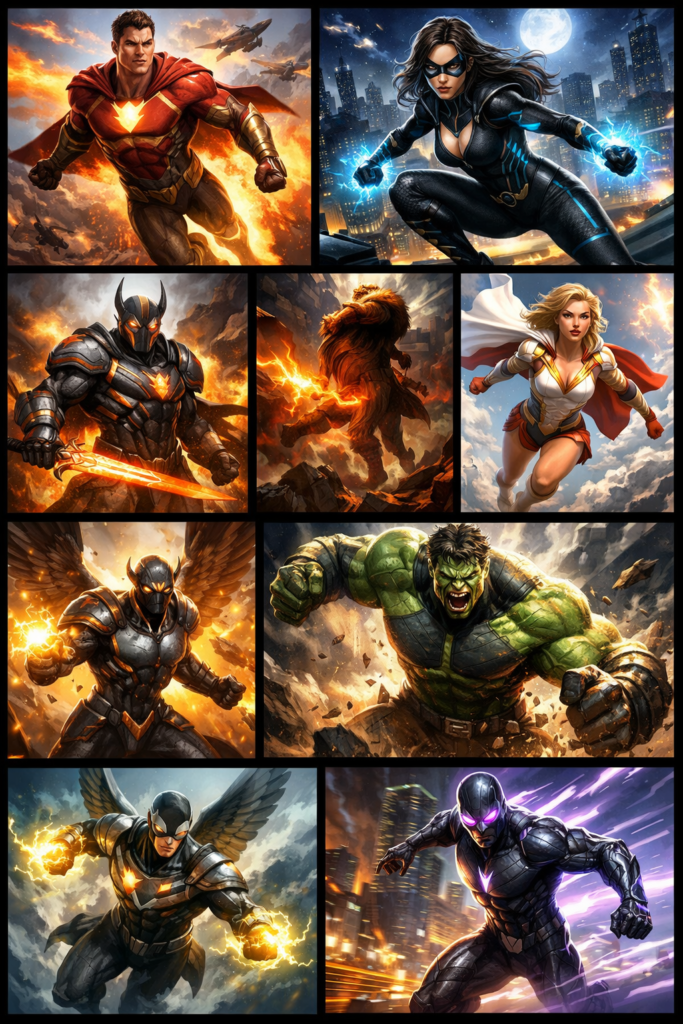
- Strong sense of justice
- Moral responsibility
- Protect innocent people
- Often possess superpowers or advanced skills
- Act as symbols of hope
Superheroes usually follow a clear ethical code and prioritize the greater good above personal gain.
Famous Superhero Examples
Some globally recognized superheroes include:
- Superman – Symbol of hope and justice
- Spider-Man – A relatable hero balancing life and responsibility
- Wonder Woman – Warrior representing truth and compassion
These characters inspire audiences through courage, sacrifice, and heroism.
What Are Anti-Heroes?
An anti-hero is a main character who lacks traditional heroic qualities but still plays a central or heroic role in the story.
Unlike superheroes, anti-heroes often operate in morally grey areas.
Key Traits of Anti-Heroes
- Imperfect moral compass
- Personal motivations instead of pure justice
- Use unconventional or violent methods
- Emotionally complex personalities
- Often struggle with internal conflict
Anti-heroes reflect real human flaws, which makes them highly relatable to modern audiences.
Popular Anti-Hero Examples
Well-known anti-heroes include:
- Deadpool – Chaotic yet oddly heroic mercenary
- Venom – A dangerous being with protective instincts
- The Punisher – Justice driven by revenge
These characters blur the line between hero and villain.
Superheroes vs Anti-Heroes — Key Differences
| Feature | Superheroes | Anti-Heroes |
| Moral Code | Clear and strong | Flexible or conflicted |
| Motivation | Protect society | Personal goals or trauma |
| Methods | Ethical and lawful | Often violent or extreme |
| Personality | Idealistic | Realistic and flawed |
| Audience Appeal | Inspirational | Relatable and complex |
Both archetypes serve different storytelling purposes, creating emotional depth in narratives.
The Evolution of Superheroes & Anti-Heroes
Golden Age of Heroes (1930s–1950s)
Early comic characters were designed as symbols of hope during difficult historical periods. Heroes were almost flawless and represented ideal values.
Rise of Complexity (1970s–1990s)
Writers began introducing darker characters and psychological storytelling, giving birth to modern anti-heroes.
Modern Era (2000s–Present)
Today’s audiences prefer layered characters with emotional struggles. Movies, streaming shows, and comics now balance heroism with realism.
Why Audiences Love Both Types of Characters
Psychological Connection
Superheroes represent who we aspire to be, while anti-heroes represent who we truly are.
Moral Exploration
Stories featuring both types allow audiences to explore ethical dilemmas and personal choices.
Entertainment Value
Conflict between idealism and realism creates powerful storytelling tension.
Cultural Impact of Superheroes & Anti-Heroes
These characters influence global culture through:
- Movies and cinematic universes
- Merchandise and collectibles
- Gaming franchises
- Fashion and streetwear trends
- Fan communities and conventions
The popularity of superhero and anti-hero narratives has shaped modern pop culture worldwide.
Superheroes & Anti-Heroes in Modern Media
Streaming platforms and cinematic universes have transformed these characters into global icons. Complex storytelling now focuses on character psychology, trauma, and moral ambiguity rather than simple good-versus-evil narratives.
This shift explains why anti-heroes are becoming as popular as traditional superheroes.
FAQs About Superheroes & Anti-Heroes
Q1: What is the main difference between superheroes and anti-heroes?
Superheroes follow strong moral principles, while anti-heroes operate with flexible ethics and personal motivations.
Q2: Can an anti-hero become a superhero?
Yes. Many characters evolve over time, transitioning between anti-hero and superhero roles depending on the story.
Q3: Why are anti-heroes popular today?
Modern audiences prefer realistic characters with flaws, emotional depth, and complex decision-making.
Q4: Are anti-heroes villains?
No. Anti-heroes are protagonists who may use questionable methods but are not purely evil.
Q5: Which is more popular — superheroes or anti-heroes?
Both are popular, but anti-heroes have gained significant attention in modern storytelling due to their relatability.
Conclusion
The world of superheroes & anti-heroes reflects humanity’s ongoing struggle between idealism and reality. Superheroes inspire us to rise above challenges, while anti-heroes remind us that imperfection is part of being human.
Together, they create balanced storytelling filled with emotion, conflict, and meaning — which is why audiences continue to connect deeply with both archetypes across comics, films, and modern media.